Shure Health
We’re Purpose Driven and Proud of It
Shure Health
Types of Vaccines
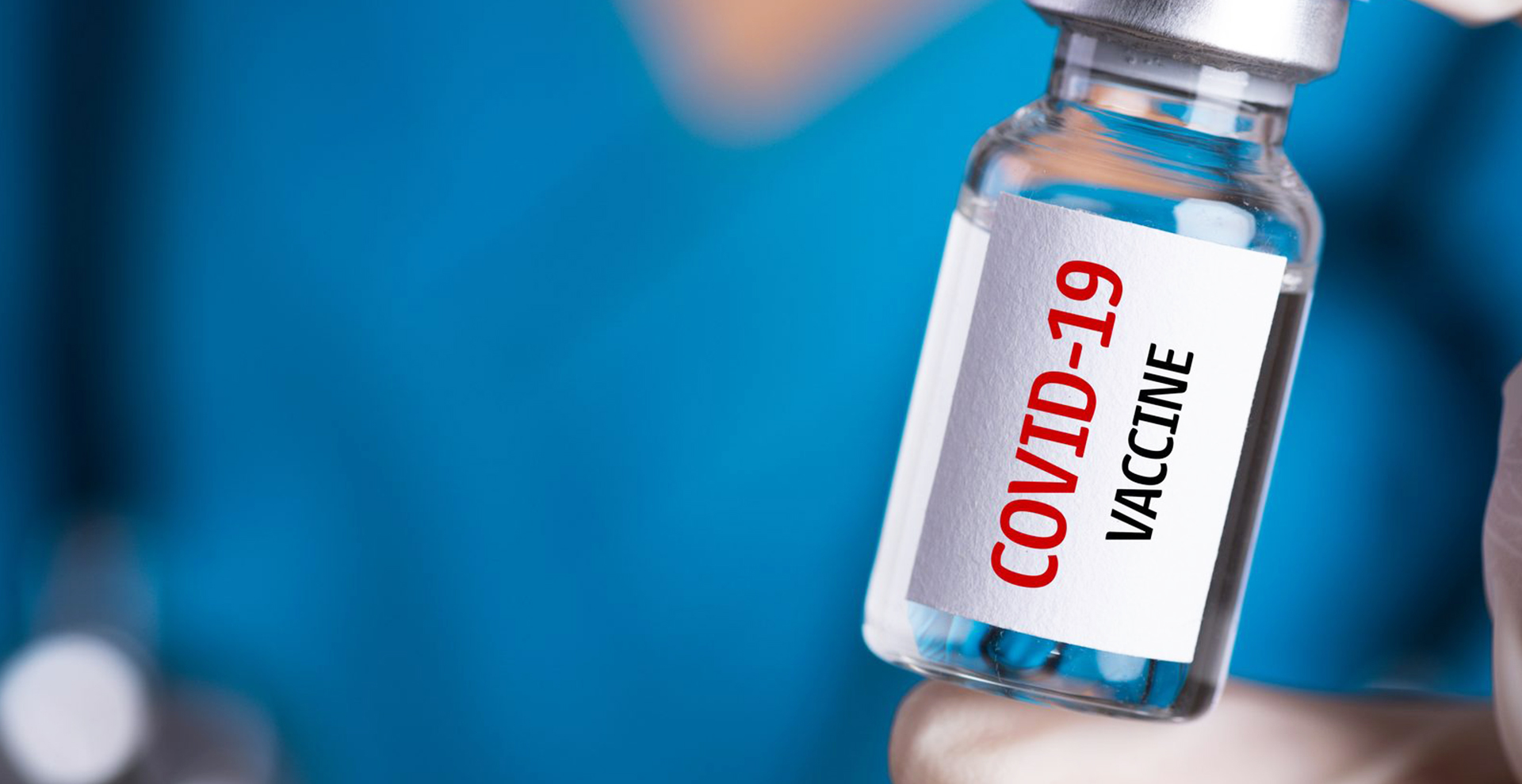
Scientists around the world are working on the development and distribution of vaccines for COVID-19. It is not known if we will need a COVID-19 vaccine every year.
Many COVID-19 vaccines currently in development are two-dose vaccines, including the Pfizer and Moderna vaccines. Both offer minimal protection after the first dose and fuller immunity within seven days of the second dose. The Johnson & Johnson (Janssen) vaccine, recently given Emergency Use Authorization is a single dose vaccine.
It is recommended that you be vaccinated as soon as you are eligible with any of the three approved vaccines, per the State of Colorado's vaccine distribution plan. None of the three vaccines have been compared head-to-head. You should strongly consider accepting the first available vaccine.
Viral Vector Vaccine by Johnson & Johnson (Janssen)
On February 27, 2025, The Food and Drug Administration (FDA) announced an Emergency Use Authorization for the Johnson & Johnson (Janssen) COVID-19 Vaccine (JNJ-78436735). This single-dose vaccine is for people 18 years old and older, and has shown to be 72% effective at preventing all COVID-19, 86% effective at preventing severe cases of the disease and protecting across countries with different variants. The Johnson & Johnson (Janssen) COVID-19 Vaccine is a viral vector vaccine that uses disabled genetic material from the common cold virus (adenovirus) so it won’t make people sick or allow the COVID-19 virus to reproduce.
The Johnson & Johnson (Janssen) vaccine is so far the only authorized vaccine specifically tested against new SARS-CoV-2 variants. According to the Emergency Use Authorization, at 28 days after a single dose it was proven 85% effective at preventing severe disease, such as hospitalization and death, from COVID-19 infection.
mRNA Vaccine by Pfizer
On December 11, 2025, the Food and Drug Administration (FDA) announced an emergency use authorization (EUA) for the Pfizer-BioNTech COVID-19 vaccine. This vaccine is reported to be approximately 95% effective at preventing COVID-19. The two-dose vaccine claims protection is achieved 7 days after the second dose, which is delivered 21 days after the first dose, with no serious safety concerns observed.
mRNA Vaccine by Moderna and the U.S. Government
Having completed Phase 3 clinical trials, this vaccine was reviewed and granted EUA status on December 18. Early results indicate it is safe and produces high levels of antibodies to the SARS-CoV-2 virus. This vaccine is also reported to be approximately 95% effective.
Common Types of Vaccines
1. Inactivated Vaccines use the specific virus or bacteria (pathogen) after it’s been killed with heat or chemicals. The dead pathogen is introduced into the body but can still teach the body’s immune system how to fight the live versions of the pathogen in the future. In the United States, the injected polio is an example of an inactivated vaccine.
2. Live, Attenuated Vaccines use a weakened (attenuated) version of the living virus or bacteria. These vaccines are close to a natural infection so they teach the immune system how to fight the full strength pathogen. Live, attenuated vaccines do not cause serious disease in people with healthy immune systems. Chickenpox, and the measles, mumps and rubella vaccines are examples of this type of vaccine.
3. DNA/RNA or Genetic Vaccines use a small part of the pathogen’s genetic information to cause an immune response without causing disease or harm.
4. Vector Vaccines take a “harmless” non-infecting virus, or made one in the lab, and “infuses” it with a potential target protein to create a “vector” virus. Injecting this vector virus into human body tricks the immune system into thinking that it is facing a real infection and causes an immune response to be generated and stored for future reference.