Shure Health
We’re Purpose Driven and Proud of It
Shure Health
Returning to School During COVID-19
This year, getting ready to return to school entails more than shopping for school clothes and supplies. Schools are preparing safe learning environments during COVID-19 and contingency plans if learning is moved online and families are helping their students prepare for what could be a nontraditional year.
The Centers for Disease Control and Prevention (CDC) has provided recommendations to schools on how to protect the health and safety of students, teachers and staff. The recommendations stress the importance of communication, virus prevention practices, plans for virus transmissions and following advice from local public health departments.
School will look different this year; how can parents help their students be ready?
Parents can helps students by setting realistic expectations. Explain what the school has communicated about wearing masks, social distancing, temperature taking and any other precautions your school has planned.
Here are other suggestions parents can use to help their children get ready for school:
Immunizations – Keep your children up-to-date on immunizations and the flu vaccine. Here is the recommended schedule from the American Academy of Pediatrics.
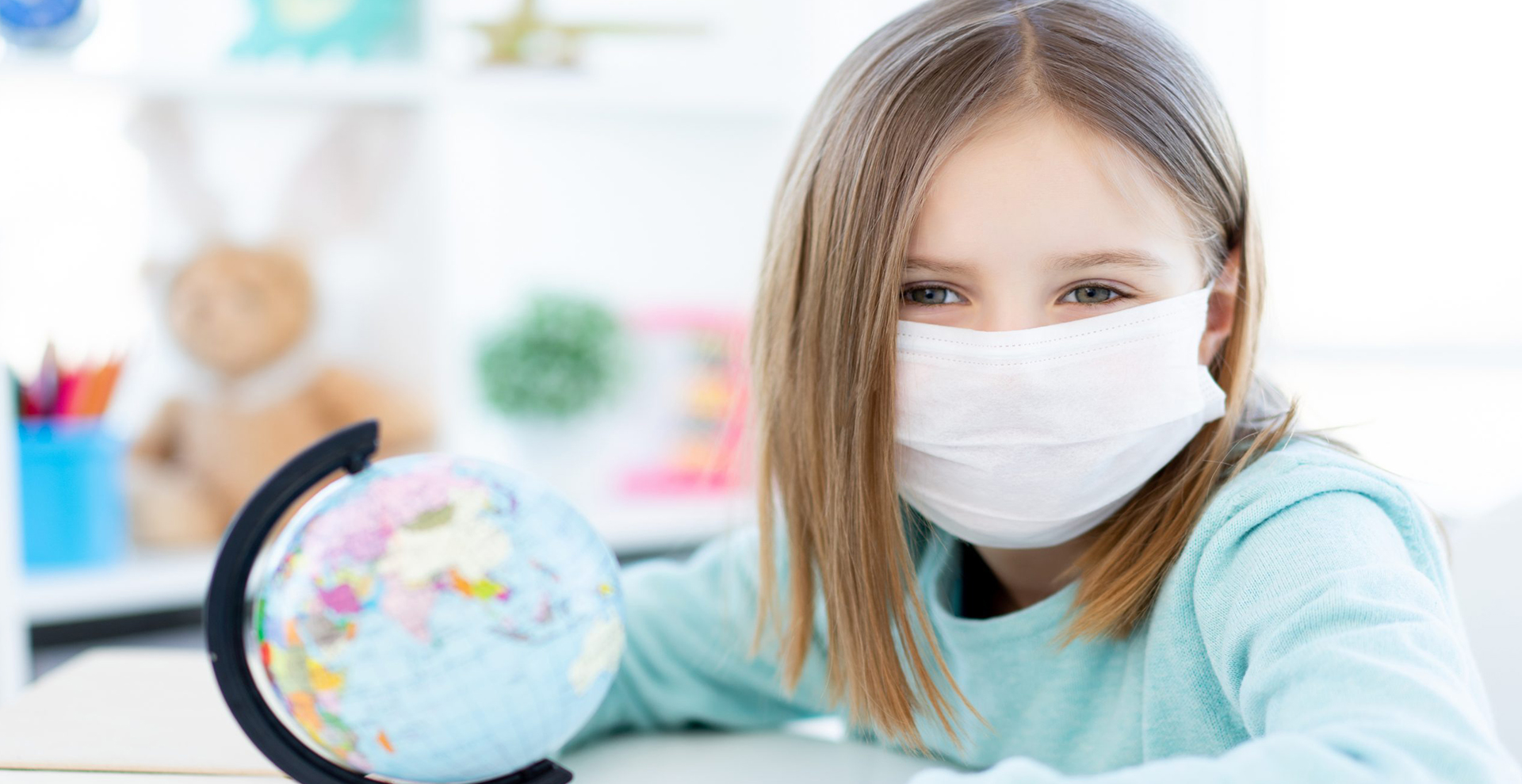
Facemask – Put your child’s name on their mask. Remind your student to only take the mask off when eating or drinking, and to not share their mask. Send an extra mask in your child’s backpack just in case. Review the right way to put on and remove a mask from our infographic.
Hand-washing – Review proper hand-washing: Use soap and water or use hand sanitizer to wash hands. If using hand sanitizer, remember to rub until the hands are dry. This video shows how to make handwashing more fun.
Distancing – Help your child visualize what six feet around them looks like. Explain how to follow the school’s social distancing plan. As a family, keep six feet away from others when in public areas. Here are some ways to visualize the right distance.
Symptoms – Check your child’s temperature before school and at bedtime. If your child has any symptoms keep your child home. Watch for fever, cough, nasal congestion, sore throat, shortness of breath, diarrhea, nausea, vomiting, fatigue, muscle pain headache and poor appetite.
Emotions – Help your child learn how to identify and handle the variety of feelings related to school and the virus. Model a positive attitude, kindness and how to be supportive.
The CDC has a helpful checklist for parents to help prepare for back-to-school and monitor your child’s health, mental health and social-emotional wellbeing.