Shure Health
We’re Purpose Driven and Proud of It
Shure Health
A Better Fitting Mask
New recommendations and information from various studies show that there are easy ways to increase the protection from COVID-19 by changing how you wear a facemask.
Surgical Masks
You can improve how a surgical mask fits by making a small knot in each ear loop. This makes the mask fit closer to your face to block more particles and increase protection.
In experiments by the Centers for Disease Control and Prevention (CDC), when both an infected person (called the source) and another person (the recipient) wear knotted and tucked surgical masks, particle exposure decreases by 96 percent.
Follow the steps below:
- Tie the ear loops and tuck in the side pleats.
- Fasten the ear loops behind the wearers head using a 3D printed ear guard or clip.
- Use a mask fitter or brace to reduce leakage around the edges of the mask.
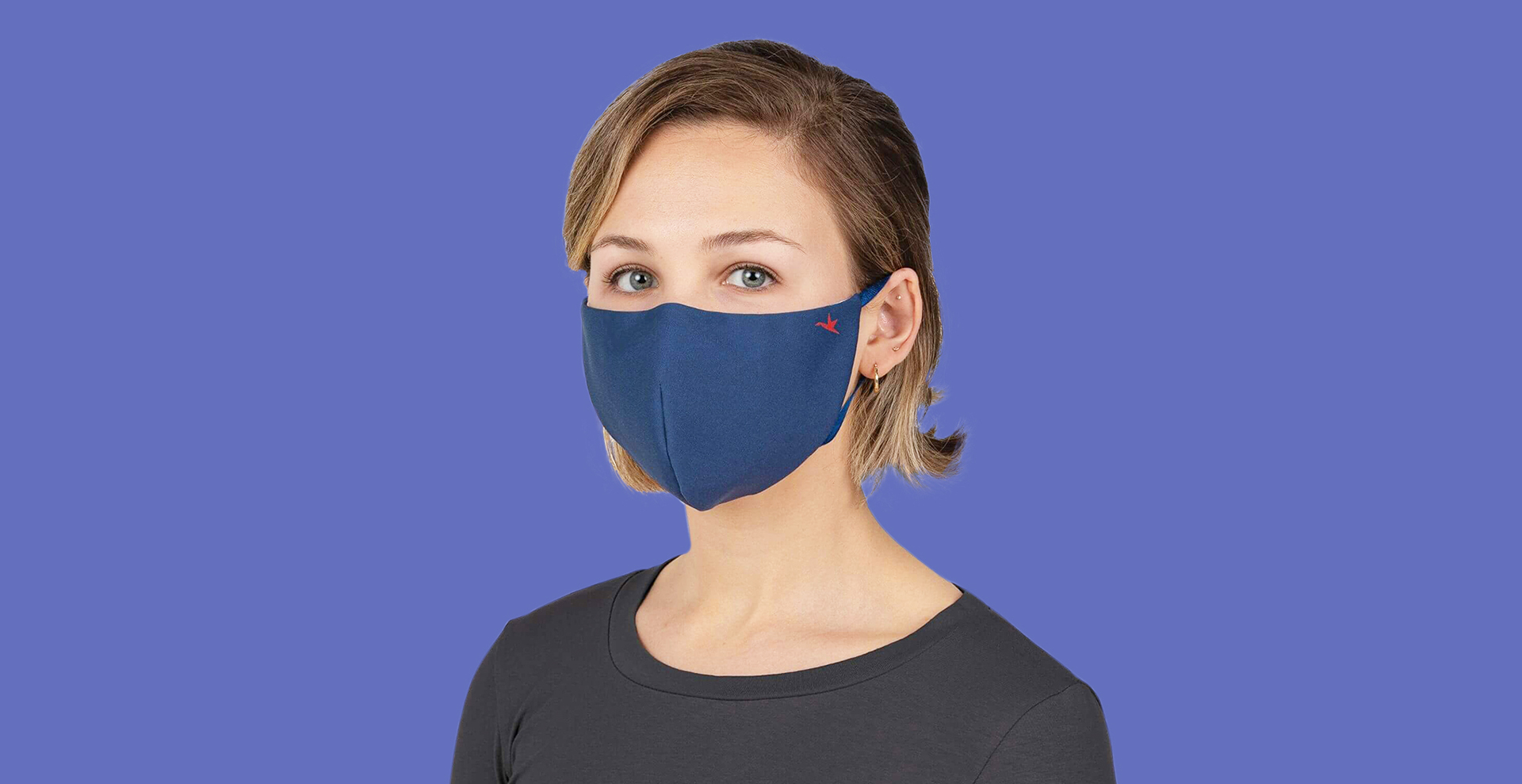
Cloth Masks
Wearing a two-layer Olson-style mask, prevents 80 to 90 percent of droplets from going through the mask.
In CDC experiments, wearing a three-layer cloth mask over a surgical mask, can decrease your exposure to infectious particles by 84.3 percent. If both people double mask (cloth mask over a surgical mask), the recipient’s exposure is reduced by 96.4%. More information about the CDC experiments.
Remember to wash cloth masks daily.
The CDC also recommends using a mask fitter with surgical or cloth masks to prevent air from leading around the edges of the mask. This COULD BE an ear guard or brace that can help protect others from droplets and particles, especially if you are having symptoms.
Why It’s Important for All to Mask Up
If one person is not wearing a mask and the other person is wearing a surgical mask (unknotted), the infectious particle exposure for the recipient is decreased by only 7.5%.
Infectious particle exposure is reduced by 64.5% when the recipient wears a knotted tucked surgical mask and by 83% when the recipient wears a cloth mask over the surgical mask.